Jack Jones
By Pamela Macdonald
I don’t expect anyone to believe my story. That's why I've never spoken of it before. Then one day, out
of the blue, I was asked to write a short story for a friend. The memories are as clear as if it all
happened this summer, but the story I’m about to tell you happened nearly 50 years ago.
I was 14 years old, and we were going to Wales, it was 1976.
My family was a traditional family made up of Mum, Dad, sister and my older brother John.
School was a happy place for me, and I had lots of friends and happy times, but as the year got older
and the winter snow began to melt, I started to look forward to our holidays in our small, white, Abbey
caravan. I say small as it was only 4 berth, but dad bought a huge awning that gave us loads of extra
space. The boys slept out in the awning on camp beds with yellow foam mattresses, and the girls slept in
the caravan with all the home comforts of heating and the ever-present TV.
This year it was going to be North Wales. The drive from our home in Scotland was long and the roads
were winding and slow. We headed to a small campsite at Nefyn Bay. Nefyn is a small town on the Llyn
peninsula, in Gwynedd. The pebble beach was 50 yards from our caravan with its large canvas, bright
orange awning with its blue roof.
Dad and John always took pride in how well they had erected the awning, comparing their tent making
skill to the other tents on the site meant that they could be smug in the knowledge that their tent was
solid. ‘Blow wind blow’, but their tent was going nowhere.
The long tiresome journey meant that by the time we arrived on site, exhausted and weary, setting up,
having tea and going to bed, was all we could muster for the remains of the day.
The next day, after breakfast, we turned right out the gates of the campsite and walked along the
pebble beach. The wide expanse of the Irish Sea and this sheltered bay, meant that North Wales was the
perfect place to build the old slate quarries. The ships were able to dock in the man-made ports to pick
up the slate cargo and transfer its load speedily by sea.
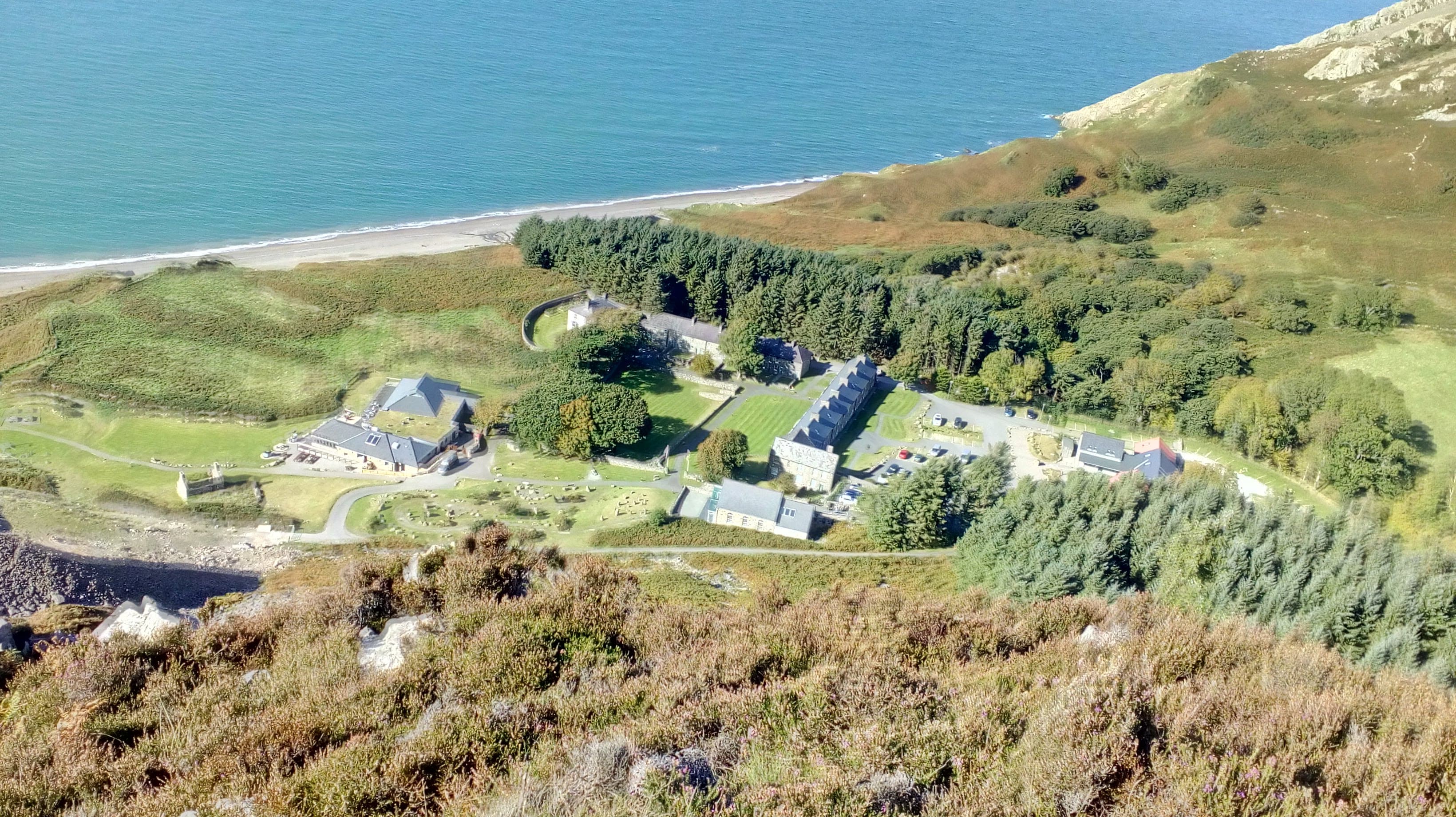
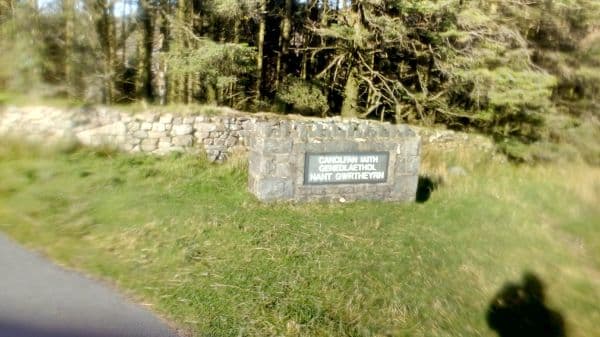 The history of the quarries comes alive when you see the village of Nant Gwrtheyrn. A village that was
built to accommodate the quarry industry, the workers and their families. Houses, school, church and the
quay for the ships to load and reload. This thriving community is long gone as slate became too
expensive to quarry. Nant Gwrtheyrn is now the centre for the National Welsh speaking language school.
But in 1976 there was much of the ruin still there, the buildings and the cranes, the pulleys and the
train tracks to the quay and under the last quay was an old shipwreck. The ship was rustic, and the wood
was rotten, but the ship was still there as a memento of times gone by.
Our first view of the village was as excited children, exploring the old quarry, making up stories of
people, the buildings and the boats adventures and traversing what was left of the old quay with its
huge drop-off hole.
That was the first time I saw Jack Jones. He was a well-built man with a flat cap, corduroy trousers.
It was the clack clack clack of his hob nailed boots that made me turn round to see what was making the
strange sound. He walked through the village, removing the thick woollen checked scarf from around his
neck. He turned and stared straight at me and for some strange reason he scared me. He walked on into
the old building at the end of the road and was gone.
Mum had brought her usual picnic of boiled egg sandwiches, crisps and a packet of chocolate biscuits.
This time chocolate digestives. There was tea in a flask for mum and Dad and bottles of orange squash
for us children. A happy start to the holiday that would steal my naivety forever.
Next day with our fishing rods and bate we returned to (What we now called Nant G), to catch something
for dinner. Truth is, we very rarely caught enough to make it worthwhile and mostly threw back what was
deemed to be too small. However, sitting in peace overlooking the Irish Sea in the sunshine with my
brother was the only place I wanted to be that day. We didn’t have to make conversation because he said,
“it would frighten away the fish”, sitting in peaceful quiet as the float bobbed on the surface was a
lovely way to spend the morning.
The history of the quarries comes alive when you see the village of Nant Gwrtheyrn. A village that was
built to accommodate the quarry industry, the workers and their families. Houses, school, church and the
quay for the ships to load and reload. This thriving community is long gone as slate became too
expensive to quarry. Nant Gwrtheyrn is now the centre for the National Welsh speaking language school.
But in 1976 there was much of the ruin still there, the buildings and the cranes, the pulleys and the
train tracks to the quay and under the last quay was an old shipwreck. The ship was rustic, and the wood
was rotten, but the ship was still there as a memento of times gone by.
Our first view of the village was as excited children, exploring the old quarry, making up stories of
people, the buildings and the boats adventures and traversing what was left of the old quay with its
huge drop-off hole.
That was the first time I saw Jack Jones. He was a well-built man with a flat cap, corduroy trousers.
It was the clack clack clack of his hob nailed boots that made me turn round to see what was making the
strange sound. He walked through the village, removing the thick woollen checked scarf from around his
neck. He turned and stared straight at me and for some strange reason he scared me. He walked on into
the old building at the end of the road and was gone.
Mum had brought her usual picnic of boiled egg sandwiches, crisps and a packet of chocolate biscuits.
This time chocolate digestives. There was tea in a flask for mum and Dad and bottles of orange squash
for us children. A happy start to the holiday that would steal my naivety forever.
Next day with our fishing rods and bate we returned to (What we now called Nant G), to catch something
for dinner. Truth is, we very rarely caught enough to make it worthwhile and mostly threw back what was
deemed to be too small. However, sitting in peace overlooking the Irish Sea in the sunshine with my
brother was the only place I wanted to be that day. We didn’t have to make conversation because he said,
“it would frighten away the fish”, sitting in peaceful quiet as the float bobbed on the surface was a
lovely way to spend the morning.
 I don't know why, but I was not surprised to see Jack Jones again that day. He came out of the building
at the end of the row and stared right at me. He then turned and walked purposefully up the hill towards
the quarry. John and I sat for another Hour, but it seemed the fish were not in the mood for lugworm
that day. So, we made our way back to the caravan, where mum was already making lunch.
We headed into town in the afternoon to do some shopping. Not my favourite pastime, but dad said I was
too young to stay behind alone, and John needed to get better bait for tomorrows fishing. The following
day, John and I decided to go a bit further along Nant Gwrtheyrn to the other side, where the rocks
looked bigger. John said the man in the fishing tackle told him that's where the mackerel were at this
time of year. We had crisps and juice and plenty of bate, so mum was not expecting us back until
lunchtime.
The wild goats on the hillside watched us as we climbed over the hill to get to the rocky outcrop
below. Fishing tackle, bait, snacks and a green tartan rug to sit on were unpacked and set up. Then we
dropped our line in and watched as the float bobbed on the surface of the beautiful azure blue sea. I
laid back on the tartan rug and closed my eyes to the perfect sun as I felt its warmth on my skin.
I was aware that John had wandered off to seek another fishing point, but I was too relaxed and happy
to follow. I think I may have dozed off, but I woke up to the sound of Mr Jones clack clack on the
cobbles down in the village behind me. I opened my eyes, but he was gone. John was still over on the
rocks in front of me happy in his pursuit of ‘the big one’. I hadn’t noticed that my float had sunk,
when I did, I got so excited. I yelled and pulled my rod back, a quick upward flick and it was on my
hook. The best and biggest mackerel was on my hook. Like the goats on the hill John jumped to my
assistance and helped me land my dinner.
I will never forget how proud I was when we got back to the caravan and dad said it was the biggest
mackerel he had ever seen, and we should take it to the beach tonight. Which we did. We gathered wood
and lit a fire. As the day faded to darkness the smell of the mackerel cooking and the happy laughter
was the best end to the day.
The next morning the sun was high in the sky and after a quick trip to the local shop for supplies we
all headed to the beach with towels under our arms and mums' usual picnic of sandwiches, crisps and a
packet of biscuits, possibly custard creams.
Swimming in the Irish Sea is a lot like swimming in a pool. The water is warm enough to swim but there
seems to be a lack of seaweed and fish. The water was so welcoming, and I could quite easily have stayed
there all day, but John wanted to catch a fish bigger than mine so after lunch we headed over to ‘Nant
G’ with our gear wrapped up in the green tartan blanket. Almost as soon as we arrived, I heard the clack
clack clack of Mr Jones hob-nailed boots walking across the footpath to the building at the end of the
row.
“I wonder who he is,” I said to John.
“Who”? He replied.
“The man who works in the office building over there,” I pointed to the old office.
“Nobody works there anymore and if you see somebody there, they maybe caretakers or something. Keeping
the vandals out”.
And we left it at that. Why wouldn't we?
Touring around North Wales uncovered a lot of beautiful places. The Snowdonia national park, the
Ffestiniog & Welsh Highland heritage railway at Porthmadog, and the numerous mines and quarries to
explore. We were having a great holiday, but the weather was about to take a turn and the black clouds
full of rain were heading our way.
I don't know why, but I was not surprised to see Jack Jones again that day. He came out of the building
at the end of the row and stared right at me. He then turned and walked purposefully up the hill towards
the quarry. John and I sat for another Hour, but it seemed the fish were not in the mood for lugworm
that day. So, we made our way back to the caravan, where mum was already making lunch.
We headed into town in the afternoon to do some shopping. Not my favourite pastime, but dad said I was
too young to stay behind alone, and John needed to get better bait for tomorrows fishing. The following
day, John and I decided to go a bit further along Nant Gwrtheyrn to the other side, where the rocks
looked bigger. John said the man in the fishing tackle told him that's where the mackerel were at this
time of year. We had crisps and juice and plenty of bate, so mum was not expecting us back until
lunchtime.
The wild goats on the hillside watched us as we climbed over the hill to get to the rocky outcrop
below. Fishing tackle, bait, snacks and a green tartan rug to sit on were unpacked and set up. Then we
dropped our line in and watched as the float bobbed on the surface of the beautiful azure blue sea. I
laid back on the tartan rug and closed my eyes to the perfect sun as I felt its warmth on my skin.
I was aware that John had wandered off to seek another fishing point, but I was too relaxed and happy
to follow. I think I may have dozed off, but I woke up to the sound of Mr Jones clack clack on the
cobbles down in the village behind me. I opened my eyes, but he was gone. John was still over on the
rocks in front of me happy in his pursuit of ‘the big one’. I hadn’t noticed that my float had sunk,
when I did, I got so excited. I yelled and pulled my rod back, a quick upward flick and it was on my
hook. The best and biggest mackerel was on my hook. Like the goats on the hill John jumped to my
assistance and helped me land my dinner.
I will never forget how proud I was when we got back to the caravan and dad said it was the biggest
mackerel he had ever seen, and we should take it to the beach tonight. Which we did. We gathered wood
and lit a fire. As the day faded to darkness the smell of the mackerel cooking and the happy laughter
was the best end to the day.
The next morning the sun was high in the sky and after a quick trip to the local shop for supplies we
all headed to the beach with towels under our arms and mums' usual picnic of sandwiches, crisps and a
packet of biscuits, possibly custard creams.
Swimming in the Irish Sea is a lot like swimming in a pool. The water is warm enough to swim but there
seems to be a lack of seaweed and fish. The water was so welcoming, and I could quite easily have stayed
there all day, but John wanted to catch a fish bigger than mine so after lunch we headed over to ‘Nant
G’ with our gear wrapped up in the green tartan blanket. Almost as soon as we arrived, I heard the clack
clack clack of Mr Jones hob-nailed boots walking across the footpath to the building at the end of the
row.
“I wonder who he is,” I said to John.
“Who”? He replied.
“The man who works in the office building over there,” I pointed to the old office.
“Nobody works there anymore and if you see somebody there, they maybe caretakers or something. Keeping
the vandals out”.
And we left it at that. Why wouldn't we?
Touring around North Wales uncovered a lot of beautiful places. The Snowdonia national park, the
Ffestiniog & Welsh Highland heritage railway at Porthmadog, and the numerous mines and quarries to
explore. We were having a great holiday, but the weather was about to take a turn and the black clouds
full of rain were heading our way.
 The following day we sat in the caravan watching the rain flow down the windows. We played monopoly and
listened to the shipping news on the radio. The weather forecast was for rain again tomorrow. Mum wanted
to go to the cinema to see Dr Zhivago but that didn’t appeal to dad. Next day the rain was even heavier
than yesterday. Huge puddles appeared on the campsite. Visiting ducks had a great time bathing in them.
We watched the torrential rain the following morning while eating breakfast rather solemnly.
Dad suggested we put on our wellies and waterproofs and go fishing because fish like the rain. Mum and
my sister were having none of that. Bored and not just a little angry, mum took my sister off shopping
and to see a movie in Conwy.
Dad, John and I dressed in waterproofs, wellies and laden with fishing rods, bait and a flask of hot
orange squash and Jaffa cakes, headed off to our, now, favourite fishing spot at Nant G.
Climbing the hill this time was tricky. The grass was slippery. The wind was cold and there was a
darkness in the afternoon sky. The sun did not stand a chance of breaking through, but we were together,
and we were happy. John decided to set up on his favourite rock and was sure today was his day to get
the biggest fish. Dad took me to a sheltered spot by the old rusty ruined quay and set up our spot.
Watching him slip the hook right through the guts of the lugworm always made me squirm. We sat and
tried to watch the float bobbing, but the rain was pelting me so hard in the face that I had to keep
turning away. It was cold, it was wet, and it was windy. I told Dad, I was going to try to get a bit of
shelter over on the other side of the road by the office, and he nodded and said, “I don’t blame you
Lass”.
I scrambled back over the rocks onto the pebble beach. From there it was a short walk up the grass
verge to the little ruined village and the workers cottages. I thought I would be able to get shelter
there and ran over the cobbled stone road to the first cottage by the old offices. The door was locked.
I tried the next door, but the door was locked. The rain seemed to be getting heavier, and the sky was
getting darker. It was cold, very cold, the kind of cold you think you will never recover from. Then I
heard a faint familiar sound behind me... clack clack clack. I turned in the direction of the old office
block just in time to see Mr Jones entering through the old side door. I was sure it would be OK to ask
for shelter from him. My dad and my big brother were only 30 yards away, and I was so cold. I walked up
to the door and knocked loudly to be heard through the thundering rain.
Jack Jones, a man in his fifties, stood before me filling the doorway. The expression on his face was
one of absolute fury.
“Can I please come in?” I asked with a very nervous tone.
“How dare you come back to my door” he bellowed. “I told you never to darken my door again”.
His anger and unrestrained hatred shone in his eyes. He grabbed my arm and threw me in the room. The
floor was stone, wet and cold. My horror at being treated in this way rendered me silent. I wanted to
shout “Dad”. I wanted to shout for John but all I could say was “Please”.
Mr. Jones Slapped me with the back of his hand and sent me flying across the room. Although I did not
lose consciousness, I was confused and was seeing stars. I could feel blood pouring from my nose. I
tried to crawl away, but he lifted his foot and kicked me in the stomach so hard that I was lifted off
the floor. I lay on the wet, cold, stone, floor crying and bloody and confused. Mr Jones knelt down
beside me and whispered in an almost gentle voice saying, “I told you what would happen if you ever came
back!”
As I sat on the floor, wiping the blood and tears from my face, my eyes became accustomed to the light.
I could see a desk with papers and an ink well. An ashtray which was full of cigarette buts. There was a
small cupboard with an old gas cooking stove and a paraffin heater. 2 white enamel mugs were hooked up
on the wall above a small kettle. On the wall was a picture of a young girl, for a moment I thought it
was me. She looked like me and had my hair. She looked happy. She wore a lump of black stone, possibly
jet around her neck. She wore a white apron over her brown canvas skirt and old black sturdy boots.
Under the photo there was a small plaque with the name Angharad.
Next to the picture was a coat stand which held his heavy brown coat, his flat cap and his thick
checked woollen scarf.
“Please let me go to my dad. He’s just outside with my brother,” I cried.
“Oh, is he now, Then I'd better be quick”.
He placed his flat cap on his head and lifted the scarf from the hook and wrapped it around his thick
neck. The big coat was left behind. He grabbed me by the hair and pulled me along the floor. He was
gathering his fury with every step, shouting as he opened the big, heavy wooden door that led down to
the quay.
“You bitch, I will Kill you Angharad, I promised I would, and I will”.
The rain and the wind absorbed the sounds of my screams. No one could hear me. No one was coming to
help me. Jack Jones was pulling me along the quay, along to the drop-hole. He kept shouting, “I will
kill you with my bare hands, Angharad”. The terror of my situation and the blackened sky made it
difficult to see the drop-hole.
The drop-hole was used to drop the cargo into the boats under the quay. Jack Jones was going to murder
me with his bare hands, and I could do nothing about it. I could feel the scarf being tugged around my
neck and succumbed to the agony of suffocation.
As I fell backwards onto the deck of the boat. I looked up in a half-conscious state, straight into the
eyes of the girl in the photo. Angharad. I recognised her. She was real. I know she was. She stood by
the drop-off hole looking down at me and smiled. She was wearing a long canvas skirt and sturdy black
boots. I saw the black piece of jet around her neck. It was the same girl as the one in the photo on the
office wall. But now she was wielding a Welsh Brechfa knife in her hand. Her previously white apron was
now covered in blood. She was stabbing Mr Jones in the belly once, twice, three times. I don’t know how
many times before I passed out.
When I woke up in hospital, my mum and dad told me that I had fallen through the drop-off hole onto the
deck of the Boat. They said I just didn’t see the drop. When I asked about Mr Jones and told them about
Angharad, they said that I had concussion and that there was no one else there but me.
Many years later, my now husband took me back to Nefyn. We walked through the fields to Nant G and the
old ruin quarry. It is now the centre for Welsh Language and has a massive wedding venue on site. The
church and the old quarry houses have been restored as a museum feature, and visitors can book the
cottages for holidays. The quays and the drop-off point have been removed for safety reasons.
In the church there is a museum. In the museum there are books of stories about life in the village
during the quarry days. The books of wedding and christenings sit next to the books of death and crimes.
The record of criminal activity tells of a quarry man named Jack Jones who was accused of the murder of
a young girl. She was only 14 years old. He, however, was a well-respected, hard worker and described by
the judge as “a sober character of good morals”. He had no previous record of violence or demeanours of
any kind. The court found him not guilty, stating that there was insufficient evidence. So, he was set
free. They say that he returned to Nant Gythyren and lived there until the quarry closed. The newspaper
report states that he was charged with the murder of Angharad by strangulation using his own checked
woollen scarf. Jack Jones always maintained that he never had such a scarf. I asked to see the records
in the museum. The woman was very helpful and seemed to enjoy practicing her English.
She showed me records of the murder of Angharad and where she was buried. Then she told me where it all
happened. By the old Quay, which used to sit over there. She pointed to where Jack Jones had dragged me
by the hair. When I told her my “dream” (as I had come to think of it), She became really interested but
assured me that there was not any possibility of it having any substance as the quarry closed in 1939.
She showed me records of the last staff members on the quarry on the day that it closed its doors for
good.
As I scanned along the rows of men who had worked on the quarry in various roles, my heart stopped.
There staring back at me was Jack Jones. His job... was to maintain and work the drop-hole.
“Yes” she said as she read through the diary of duties of this man. “He’s got a sad tale to tell
though. He was working on the drop-hole in a storm, and he slipped and fell onto the slate cutter onto
the ship below. The blades stick up into the air like knives, and he was killed instantly. The boats
name was pwyth which in welsh means to take revenge.” “That's a great name for a boat” I said, not
really knowing what else to say.
“Well,” she said, “it’s funny you should say that because it's still around. It's an old wreck that has
beached up in the next bay at Porthdinllaen.” I felt an urgent need to visit the boat. We jumped in the
car and drove around the coast to see the wreck. The Pwyth sits in the sand on the beach at
Porthdinllaen. Where she stubbornly refuses to leave.
The following day we sat in the caravan watching the rain flow down the windows. We played monopoly and
listened to the shipping news on the radio. The weather forecast was for rain again tomorrow. Mum wanted
to go to the cinema to see Dr Zhivago but that didn’t appeal to dad. Next day the rain was even heavier
than yesterday. Huge puddles appeared on the campsite. Visiting ducks had a great time bathing in them.
We watched the torrential rain the following morning while eating breakfast rather solemnly.
Dad suggested we put on our wellies and waterproofs and go fishing because fish like the rain. Mum and
my sister were having none of that. Bored and not just a little angry, mum took my sister off shopping
and to see a movie in Conwy.
Dad, John and I dressed in waterproofs, wellies and laden with fishing rods, bait and a flask of hot
orange squash and Jaffa cakes, headed off to our, now, favourite fishing spot at Nant G.
Climbing the hill this time was tricky. The grass was slippery. The wind was cold and there was a
darkness in the afternoon sky. The sun did not stand a chance of breaking through, but we were together,
and we were happy. John decided to set up on his favourite rock and was sure today was his day to get
the biggest fish. Dad took me to a sheltered spot by the old rusty ruined quay and set up our spot.
Watching him slip the hook right through the guts of the lugworm always made me squirm. We sat and
tried to watch the float bobbing, but the rain was pelting me so hard in the face that I had to keep
turning away. It was cold, it was wet, and it was windy. I told Dad, I was going to try to get a bit of
shelter over on the other side of the road by the office, and he nodded and said, “I don’t blame you
Lass”.
I scrambled back over the rocks onto the pebble beach. From there it was a short walk up the grass
verge to the little ruined village and the workers cottages. I thought I would be able to get shelter
there and ran over the cobbled stone road to the first cottage by the old offices. The door was locked.
I tried the next door, but the door was locked. The rain seemed to be getting heavier, and the sky was
getting darker. It was cold, very cold, the kind of cold you think you will never recover from. Then I
heard a faint familiar sound behind me... clack clack clack. I turned in the direction of the old office
block just in time to see Mr Jones entering through the old side door. I was sure it would be OK to ask
for shelter from him. My dad and my big brother were only 30 yards away, and I was so cold. I walked up
to the door and knocked loudly to be heard through the thundering rain.
Jack Jones, a man in his fifties, stood before me filling the doorway. The expression on his face was
one of absolute fury.
“Can I please come in?” I asked with a very nervous tone.
“How dare you come back to my door” he bellowed. “I told you never to darken my door again”.
His anger and unrestrained hatred shone in his eyes. He grabbed my arm and threw me in the room. The
floor was stone, wet and cold. My horror at being treated in this way rendered me silent. I wanted to
shout “Dad”. I wanted to shout for John but all I could say was “Please”.
Mr. Jones Slapped me with the back of his hand and sent me flying across the room. Although I did not
lose consciousness, I was confused and was seeing stars. I could feel blood pouring from my nose. I
tried to crawl away, but he lifted his foot and kicked me in the stomach so hard that I was lifted off
the floor. I lay on the wet, cold, stone, floor crying and bloody and confused. Mr Jones knelt down
beside me and whispered in an almost gentle voice saying, “I told you what would happen if you ever came
back!”
As I sat on the floor, wiping the blood and tears from my face, my eyes became accustomed to the light.
I could see a desk with papers and an ink well. An ashtray which was full of cigarette buts. There was a
small cupboard with an old gas cooking stove and a paraffin heater. 2 white enamel mugs were hooked up
on the wall above a small kettle. On the wall was a picture of a young girl, for a moment I thought it
was me. She looked like me and had my hair. She looked happy. She wore a lump of black stone, possibly
jet around her neck. She wore a white apron over her brown canvas skirt and old black sturdy boots.
Under the photo there was a small plaque with the name Angharad.
Next to the picture was a coat stand which held his heavy brown coat, his flat cap and his thick
checked woollen scarf.
“Please let me go to my dad. He’s just outside with my brother,” I cried.
“Oh, is he now, Then I'd better be quick”.
He placed his flat cap on his head and lifted the scarf from the hook and wrapped it around his thick
neck. The big coat was left behind. He grabbed me by the hair and pulled me along the floor. He was
gathering his fury with every step, shouting as he opened the big, heavy wooden door that led down to
the quay.
“You bitch, I will Kill you Angharad, I promised I would, and I will”.
The rain and the wind absorbed the sounds of my screams. No one could hear me. No one was coming to
help me. Jack Jones was pulling me along the quay, along to the drop-hole. He kept shouting, “I will
kill you with my bare hands, Angharad”. The terror of my situation and the blackened sky made it
difficult to see the drop-hole.
The drop-hole was used to drop the cargo into the boats under the quay. Jack Jones was going to murder
me with his bare hands, and I could do nothing about it. I could feel the scarf being tugged around my
neck and succumbed to the agony of suffocation.
As I fell backwards onto the deck of the boat. I looked up in a half-conscious state, straight into the
eyes of the girl in the photo. Angharad. I recognised her. She was real. I know she was. She stood by
the drop-off hole looking down at me and smiled. She was wearing a long canvas skirt and sturdy black
boots. I saw the black piece of jet around her neck. It was the same girl as the one in the photo on the
office wall. But now she was wielding a Welsh Brechfa knife in her hand. Her previously white apron was
now covered in blood. She was stabbing Mr Jones in the belly once, twice, three times. I don’t know how
many times before I passed out.
When I woke up in hospital, my mum and dad told me that I had fallen through the drop-off hole onto the
deck of the Boat. They said I just didn’t see the drop. When I asked about Mr Jones and told them about
Angharad, they said that I had concussion and that there was no one else there but me.
Many years later, my now husband took me back to Nefyn. We walked through the fields to Nant G and the
old ruin quarry. It is now the centre for Welsh Language and has a massive wedding venue on site. The
church and the old quarry houses have been restored as a museum feature, and visitors can book the
cottages for holidays. The quays and the drop-off point have been removed for safety reasons.
In the church there is a museum. In the museum there are books of stories about life in the village
during the quarry days. The books of wedding and christenings sit next to the books of death and crimes.
The record of criminal activity tells of a quarry man named Jack Jones who was accused of the murder of
a young girl. She was only 14 years old. He, however, was a well-respected, hard worker and described by
the judge as “a sober character of good morals”. He had no previous record of violence or demeanours of
any kind. The court found him not guilty, stating that there was insufficient evidence. So, he was set
free. They say that he returned to Nant Gythyren and lived there until the quarry closed. The newspaper
report states that he was charged with the murder of Angharad by strangulation using his own checked
woollen scarf. Jack Jones always maintained that he never had such a scarf. I asked to see the records
in the museum. The woman was very helpful and seemed to enjoy practicing her English.
She showed me records of the murder of Angharad and where she was buried. Then she told me where it all
happened. By the old Quay, which used to sit over there. She pointed to where Jack Jones had dragged me
by the hair. When I told her my “dream” (as I had come to think of it), She became really interested but
assured me that there was not any possibility of it having any substance as the quarry closed in 1939.
She showed me records of the last staff members on the quarry on the day that it closed its doors for
good.
As I scanned along the rows of men who had worked on the quarry in various roles, my heart stopped.
There staring back at me was Jack Jones. His job... was to maintain and work the drop-hole.
“Yes” she said as she read through the diary of duties of this man. “He’s got a sad tale to tell
though. He was working on the drop-hole in a storm, and he slipped and fell onto the slate cutter onto
the ship below. The blades stick up into the air like knives, and he was killed instantly. The boats
name was pwyth which in welsh means to take revenge.” “That's a great name for a boat” I said, not
really knowing what else to say.
“Well,” she said, “it’s funny you should say that because it's still around. It's an old wreck that has
beached up in the next bay at Porthdinllaen.” I felt an urgent need to visit the boat. We jumped in the
car and drove around the coast to see the wreck. The Pwyth sits in the sand on the beach at
Porthdinllaen. Where she stubbornly refuses to leave.
The history of the quarries comes alive when you see the village of Nant Gwrtheyrn. A village that was
built to accommodate the quarry industry, the workers and their families. Houses, school, church and the
quay for the ships to load and reload. This thriving community is long gone as slate became too
expensive to quarry. Nant Gwrtheyrn is now the centre for the National Welsh speaking language school.
But in 1976 there was much of the ruin still there, the buildings and the cranes, the pulleys and the
train tracks to the quay and under the last quay was an old shipwreck. The ship was rustic, and the wood
was rotten, but the ship was still there as a memento of times gone by.
Our first view of the village was as excited children, exploring the old quarry, making up stories of
people, the buildings and the boats adventures and traversing what was left of the old quay with its
huge drop-off hole.
That was the first time I saw Jack Jones. He was a well-built man with a flat cap, corduroy trousers.
It was the clack clack clack of his hob nailed boots that made me turn round to see what was making the
strange sound. He walked through the village, removing the thick woollen checked scarf from around his
neck. He turned and stared straight at me and for some strange reason he scared me. He walked on into
the old building at the end of the road and was gone.
Mum had brought her usual picnic of boiled egg sandwiches, crisps and a packet of chocolate biscuits.
This time chocolate digestives. There was tea in a flask for mum and Dad and bottles of orange squash
for us children. A happy start to the holiday that would steal my naivety forever.
Next day with our fishing rods and bate we returned to (What we now called Nant G), to catch something
for dinner. Truth is, we very rarely caught enough to make it worthwhile and mostly threw back what was
deemed to be too small. However, sitting in peace overlooking the Irish Sea in the sunshine with my
brother was the only place I wanted to be that day. We didn’t have to make conversation because he said,
“it would frighten away the fish”, sitting in peaceful quiet as the float bobbed on the surface was a
lovely way to spend the morning.
I don't know why, but I was not surprised to see Jack Jones again that day. He came out of the building
at the end of the row and stared right at me. He then turned and walked purposefully up the hill towards
the quarry. John and I sat for another Hour, but it seemed the fish were not in the mood for lugworm
that day. So, we made our way back to the caravan, where mum was already making lunch.
We headed into town in the afternoon to do some shopping. Not my favourite pastime, but dad said I was
too young to stay behind alone, and John needed to get better bait for tomorrows fishing. The following
day, John and I decided to go a bit further along Nant Gwrtheyrn to the other side, where the rocks
looked bigger. John said the man in the fishing tackle told him that's where the mackerel were at this
time of year. We had crisps and juice and plenty of bate, so mum was not expecting us back until
lunchtime.
The wild goats on the hillside watched us as we climbed over the hill to get to the rocky outcrop
below. Fishing tackle, bait, snacks and a green tartan rug to sit on were unpacked and set up. Then we
dropped our line in and watched as the float bobbed on the surface of the beautiful azure blue sea. I
laid back on the tartan rug and closed my eyes to the perfect sun as I felt its warmth on my skin.
I was aware that John had wandered off to seek another fishing point, but I was too relaxed and happy
to follow. I think I may have dozed off, but I woke up to the sound of Mr Jones clack clack on the
cobbles down in the village behind me. I opened my eyes, but he was gone. John was still over on the
rocks in front of me happy in his pursuit of ‘the big one’. I hadn’t noticed that my float had sunk,
when I did, I got so excited. I yelled and pulled my rod back, a quick upward flick and it was on my
hook. The best and biggest mackerel was on my hook. Like the goats on the hill John jumped to my
assistance and helped me land my dinner.
I will never forget how proud I was when we got back to the caravan and dad said it was the biggest
mackerel he had ever seen, and we should take it to the beach tonight. Which we did. We gathered wood
and lit a fire. As the day faded to darkness the smell of the mackerel cooking and the happy laughter
was the best end to the day.
The next morning the sun was high in the sky and after a quick trip to the local shop for supplies we
all headed to the beach with towels under our arms and mums' usual picnic of sandwiches, crisps and a
packet of biscuits, possibly custard creams.
Swimming in the Irish Sea is a lot like swimming in a pool. The water is warm enough to swim but there
seems to be a lack of seaweed and fish. The water was so welcoming, and I could quite easily have stayed
there all day, but John wanted to catch a fish bigger than mine so after lunch we headed over to ‘Nant
G’ with our gear wrapped up in the green tartan blanket. Almost as soon as we arrived, I heard the clack
clack clack of Mr Jones hob-nailed boots walking across the footpath to the building at the end of the
row.
“I wonder who he is,” I said to John.
“Who”? He replied.
“The man who works in the office building over there,” I pointed to the old office.
“Nobody works there anymore and if you see somebody there, they maybe caretakers or something. Keeping
the vandals out”.
And we left it at that. Why wouldn't we?
Touring around North Wales uncovered a lot of beautiful places. The Snowdonia national park, the
Ffestiniog & Welsh Highland heritage railway at Porthmadog, and the numerous mines and quarries to
explore. We were having a great holiday, but the weather was about to take a turn and the black clouds
full of rain were heading our way.
The following day we sat in the caravan watching the rain flow down the windows. We played monopoly and
listened to the shipping news on the radio. The weather forecast was for rain again tomorrow. Mum wanted
to go to the cinema to see Dr Zhivago but that didn’t appeal to dad. Next day the rain was even heavier
than yesterday. Huge puddles appeared on the campsite. Visiting ducks had a great time bathing in them.
We watched the torrential rain the following morning while eating breakfast rather solemnly.
Dad suggested we put on our wellies and waterproofs and go fishing because fish like the rain. Mum and
my sister were having none of that. Bored and not just a little angry, mum took my sister off shopping
and to see a movie in Conwy.
Dad, John and I dressed in waterproofs, wellies and laden with fishing rods, bait and a flask of hot
orange squash and Jaffa cakes, headed off to our, now, favourite fishing spot at Nant G.
Climbing the hill this time was tricky. The grass was slippery. The wind was cold and there was a
darkness in the afternoon sky. The sun did not stand a chance of breaking through, but we were together,
and we were happy. John decided to set up on his favourite rock and was sure today was his day to get
the biggest fish. Dad took me to a sheltered spot by the old rusty ruined quay and set up our spot.
Watching him slip the hook right through the guts of the lugworm always made me squirm. We sat and
tried to watch the float bobbing, but the rain was pelting me so hard in the face that I had to keep
turning away. It was cold, it was wet, and it was windy. I told Dad, I was going to try to get a bit of
shelter over on the other side of the road by the office, and he nodded and said, “I don’t blame you
Lass”.
I scrambled back over the rocks onto the pebble beach. From there it was a short walk up the grass
verge to the little ruined village and the workers cottages. I thought I would be able to get shelter
there and ran over the cobbled stone road to the first cottage by the old offices. The door was locked.
I tried the next door, but the door was locked. The rain seemed to be getting heavier, and the sky was
getting darker. It was cold, very cold, the kind of cold you think you will never recover from. Then I
heard a faint familiar sound behind me... clack clack clack. I turned in the direction of the old office
block just in time to see Mr Jones entering through the old side door. I was sure it would be OK to ask
for shelter from him. My dad and my big brother were only 30 yards away, and I was so cold. I walked up
to the door and knocked loudly to be heard through the thundering rain.
Jack Jones, a man in his fifties, stood before me filling the doorway. The expression on his face was
one of absolute fury.
“Can I please come in?” I asked with a very nervous tone.
“How dare you come back to my door” he bellowed. “I told you never to darken my door again”.
His anger and unrestrained hatred shone in his eyes. He grabbed my arm and threw me in the room. The
floor was stone, wet and cold. My horror at being treated in this way rendered me silent. I wanted to
shout “Dad”. I wanted to shout for John but all I could say was “Please”.
Mr. Jones Slapped me with the back of his hand and sent me flying across the room. Although I did not
lose consciousness, I was confused and was seeing stars. I could feel blood pouring from my nose. I
tried to crawl away, but he lifted his foot and kicked me in the stomach so hard that I was lifted off
the floor. I lay on the wet, cold, stone, floor crying and bloody and confused. Mr Jones knelt down
beside me and whispered in an almost gentle voice saying, “I told you what would happen if you ever came
back!”
As I sat on the floor, wiping the blood and tears from my face, my eyes became accustomed to the light.
I could see a desk with papers and an ink well. An ashtray which was full of cigarette buts. There was a
small cupboard with an old gas cooking stove and a paraffin heater. 2 white enamel mugs were hooked up
on the wall above a small kettle. On the wall was a picture of a young girl, for a moment I thought it
was me. She looked like me and had my hair. She looked happy. She wore a lump of black stone, possibly
jet around her neck. She wore a white apron over her brown canvas skirt and old black sturdy boots.
Under the photo there was a small plaque with the name Angharad.
Next to the picture was a coat stand which held his heavy brown coat, his flat cap and his thick
checked woollen scarf.
“Please let me go to my dad. He’s just outside with my brother,” I cried.
“Oh, is he now, Then I'd better be quick”.
He placed his flat cap on his head and lifted the scarf from the hook and wrapped it around his thick
neck. The big coat was left behind. He grabbed me by the hair and pulled me along the floor. He was
gathering his fury with every step, shouting as he opened the big, heavy wooden door that led down to
the quay.
“You bitch, I will Kill you Angharad, I promised I would, and I will”.
The rain and the wind absorbed the sounds of my screams. No one could hear me. No one was coming to
help me. Jack Jones was pulling me along the quay, along to the drop-hole. He kept shouting, “I will
kill you with my bare hands, Angharad”. The terror of my situation and the blackened sky made it
difficult to see the drop-hole.
The drop-hole was used to drop the cargo into the boats under the quay. Jack Jones was going to murder
me with his bare hands, and I could do nothing about it. I could feel the scarf being tugged around my
neck and succumbed to the agony of suffocation.
As I fell backwards onto the deck of the boat. I looked up in a half-conscious state, straight into the
eyes of the girl in the photo. Angharad. I recognised her. She was real. I know she was. She stood by
the drop-off hole looking down at me and smiled. She was wearing a long canvas skirt and sturdy black
boots. I saw the black piece of jet around her neck. It was the same girl as the one in the photo on the
office wall. But now she was wielding a Welsh Brechfa knife in her hand. Her previously white apron was
now covered in blood. She was stabbing Mr Jones in the belly once, twice, three times. I don’t know how
many times before I passed out.
When I woke up in hospital, my mum and dad told me that I had fallen through the drop-off hole onto the
deck of the Boat. They said I just didn’t see the drop. When I asked about Mr Jones and told them about
Angharad, they said that I had concussion and that there was no one else there but me.
Many years later, my now husband took me back to Nefyn. We walked through the fields to Nant G and the
old ruin quarry. It is now the centre for Welsh Language and has a massive wedding venue on site. The
church and the old quarry houses have been restored as a museum feature, and visitors can book the
cottages for holidays. The quays and the drop-off point have been removed for safety reasons.
In the church there is a museum. In the museum there are books of stories about life in the village
during the quarry days. The books of wedding and christenings sit next to the books of death and crimes.
The record of criminal activity tells of a quarry man named Jack Jones who was accused of the murder of
a young girl. She was only 14 years old. He, however, was a well-respected, hard worker and described by
the judge as “a sober character of good morals”. He had no previous record of violence or demeanours of
any kind. The court found him not guilty, stating that there was insufficient evidence. So, he was set
free. They say that he returned to Nant Gythyren and lived there until the quarry closed. The newspaper
report states that he was charged with the murder of Angharad by strangulation using his own checked
woollen scarf. Jack Jones always maintained that he never had such a scarf. I asked to see the records
in the museum. The woman was very helpful and seemed to enjoy practicing her English.
She showed me records of the murder of Angharad and where she was buried. Then she told me where it all
happened. By the old Quay, which used to sit over there. She pointed to where Jack Jones had dragged me
by the hair. When I told her my “dream” (as I had come to think of it), She became really interested but
assured me that there was not any possibility of it having any substance as the quarry closed in 1939.
She showed me records of the last staff members on the quarry on the day that it closed its doors for
good.
As I scanned along the rows of men who had worked on the quarry in various roles, my heart stopped.
There staring back at me was Jack Jones. His job... was to maintain and work the drop-hole.
“Yes” she said as she read through the diary of duties of this man. “He’s got a sad tale to tell
though. He was working on the drop-hole in a storm, and he slipped and fell onto the slate cutter onto
the ship below. The blades stick up into the air like knives, and he was killed instantly. The boats
name was pwyth which in welsh means to take revenge.” “That's a great name for a boat” I said, not
really knowing what else to say.
“Well,” she said, “it’s funny you should say that because it's still around. It's an old wreck that has
beached up in the next bay at Porthdinllaen.” I felt an urgent need to visit the boat. We jumped in the
car and drove around the coast to see the wreck. The Pwyth sits in the sand on the beach at
Porthdinllaen. Where she stubbornly refuses to leave.